Landlord accounting basics: expense tracking without spreadsheets
Chart of accounts, bank feeds, and the categories your CPA wishes you used — how to set up real rental bookkeeping in an afternoon and make tax time trivial.

Spreadsheets are fine for one door. By the third, they start to crack — a formula breaks, a receipt goes missing, and April becomes a scramble to reconstruct a year of transactions from memory. Real bookkeeping isn't as intimidating as it sounds, and it turns tax season from a fire drill into a five-minute export.
Separate business from personal — first
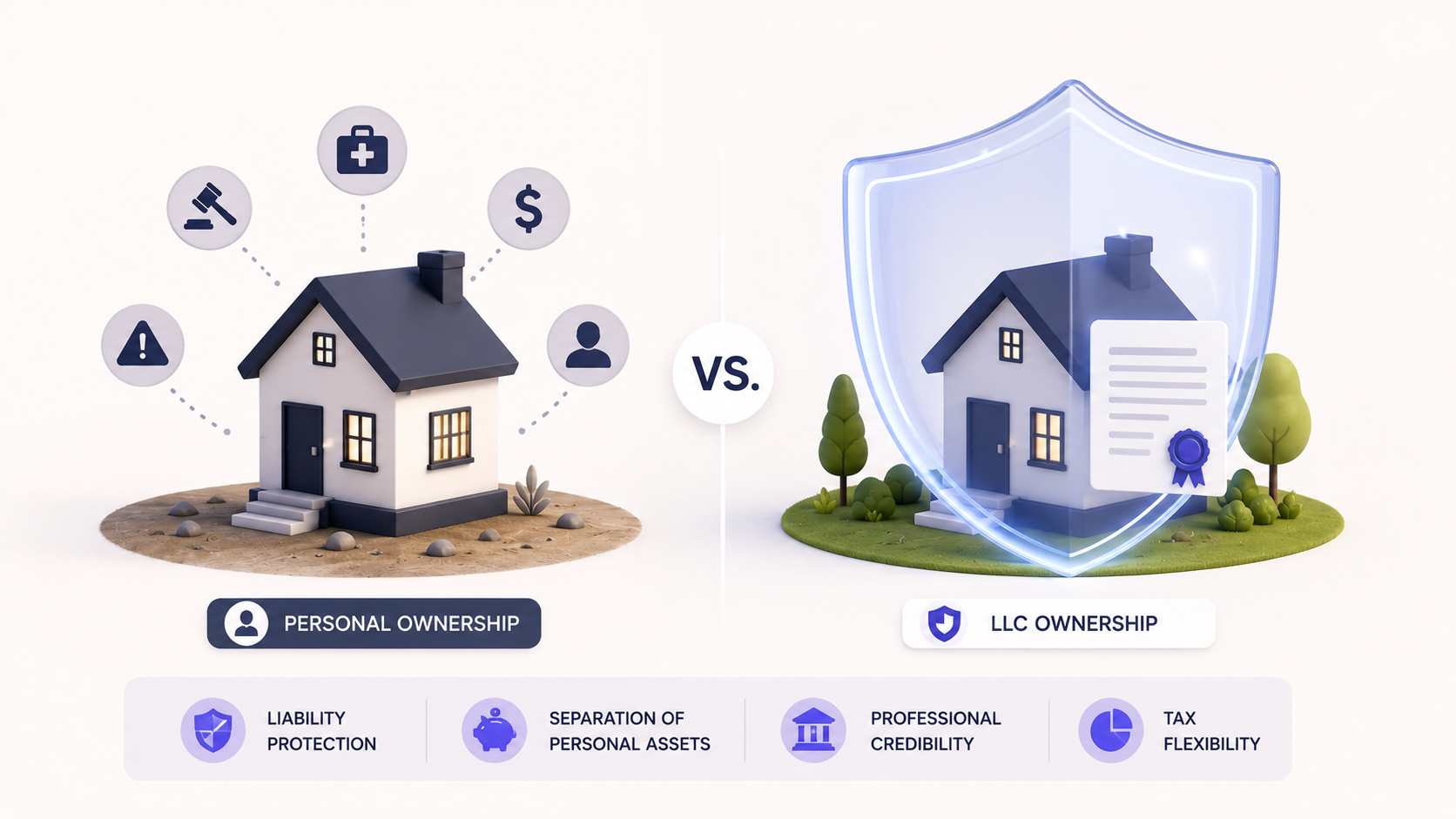
Before anything else, open a dedicated bank account for your rentals. Commingling rental money with personal spending is the number-one reason landlord books become a mess, and it weakens the liability protection of an LLC if you have one. One account (or one per property, if you prefer) makes every later step easier.
Set up a chart of accounts
A chart of accounts is just an organized list of the categories your money flows through. You don't need dozens — you need the ones that map to your tax return. A practical starting set:
Income: rent, late fees, application fees, other income.
Expenses: mortgage interest, property tax, insurance, repairs and maintenance, utilities, property management, supplies, professional fees, advertising, and travel.
Grouping transactions this way from day one means your Schedule E practically fills itself in at year end.
Connect a bank feed
The tedious part of bookkeeping is data entry, and it's the part you can delete. A bank feed pulls transactions in automatically as they clear. Your job shrinks to reviewing and categorizing — assigning each transaction to the right property and the right account. Done weekly, it takes minutes; done never, it takes a weekend in April.
Understand cash vs. accrual (briefly)
Most small landlords use cash-basis accounting: you record income when you receive it and expenses when you pay them. It's simple and it's what the IRS expects from most individual owners. Accrual accounting records income when it's earned and expenses when they're incurred, regardless of when cash moves — useful at larger scale, but more than most owners need. If you're unsure, cash basis is the sensible default; confirm with your CPA.
Track expenses to the property and unit
A repair isn't just an expense — it's an expense for a specific unit. Categorizing at the property and unit level tells you which doors make money and which quietly bleed it. That per-property view is invisible in a single all-in spreadsheet, and it's exactly the insight that guides your next rent increase, renovation, or sale.
Know which reports to run
Three reports cover almost everything:
- Profit & loss (per property). Are you actually making money on each door?
- Owner statement. A clean summary of income, expenses, and net — useful for you, a partner, or a lender.
- Transaction detail. Every entry, traceable to its source, for when your CPA asks.
If you can produce these on demand, you're ahead of most landlords.
Skip the two-system tax
Many owners collect rent in one app and keep books in QuickBooks, then spend the end of every month reconciling the two. That reconciliation is pure overhead. When rent collection and accounting share one ledger, every payment posts itself, every expense is already categorized, and there's nothing to reconcile — the books are simply always current.
The bottom line
Separate your accounts, build a simple chart of accounts that mirrors your tax return, connect a bank feed to kill data entry, categorize by property, and keep it all in one ledger. Do that and "doing the books" stops being an event.
TenantPilot includes real double-entry accounting — a full chart of accounts, automatic bank feeds, per-property categorization, and owner reports — so rent, expenses, and your books stay in sync without a second subscription.