How to write a residential lease agreement (with a free template)
The clauses every solid lease needs, the ones that quietly get landlords in trouble, and how to turn a template into a signed, enforceable agreement in minutes.
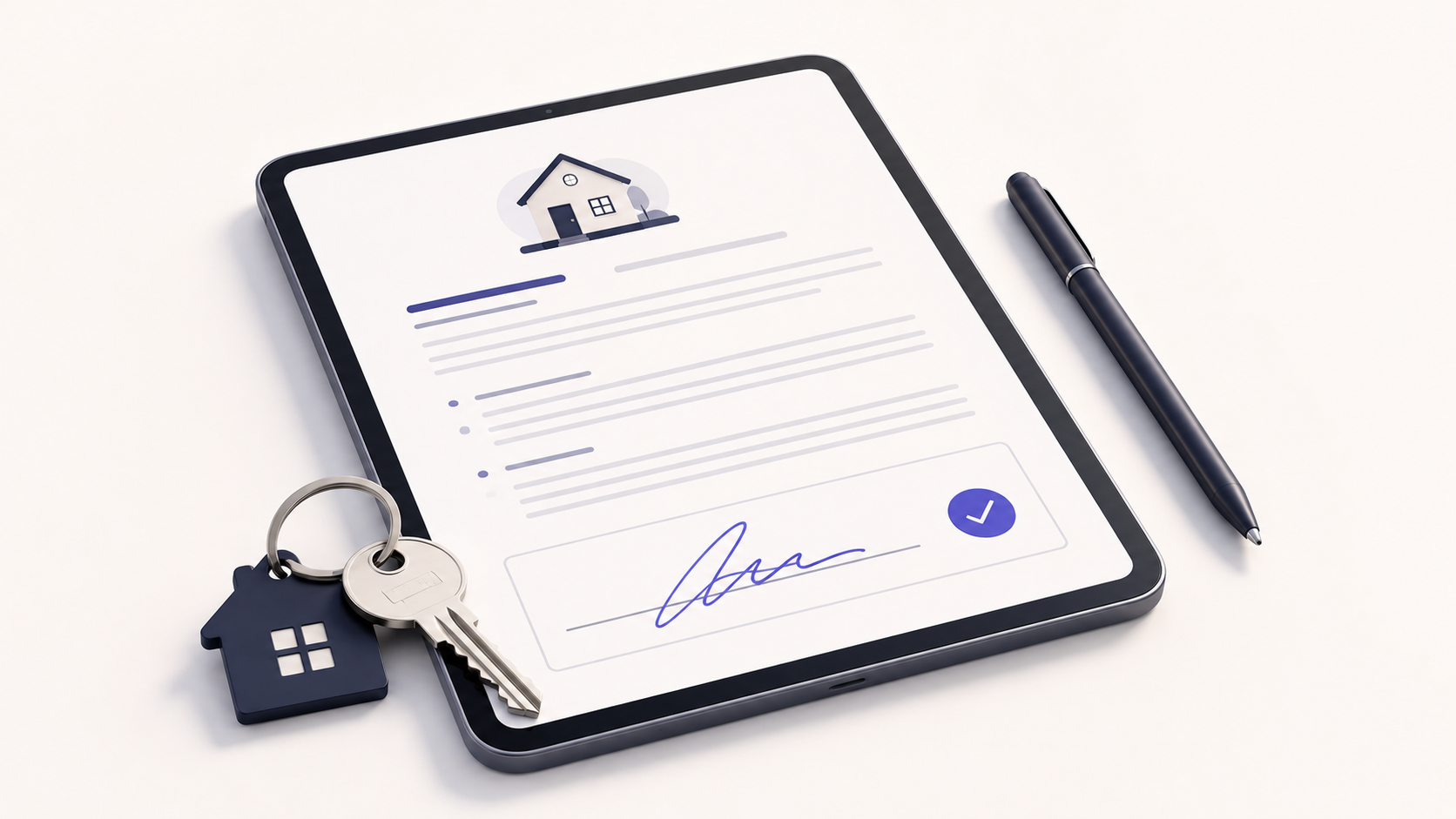
A lease is the contract your entire tenancy rests on. When it's clear and complete, disagreements are settled by pointing at a paragraph. When it's vague, every dispute becomes a negotiation you might lose. You don't need to draft one from scratch — but you do need to know what a strong lease contains.
The clauses every lease needs
Parties and property. Full legal names of every adult tenant, the exact address and unit, and any included parking or storage.
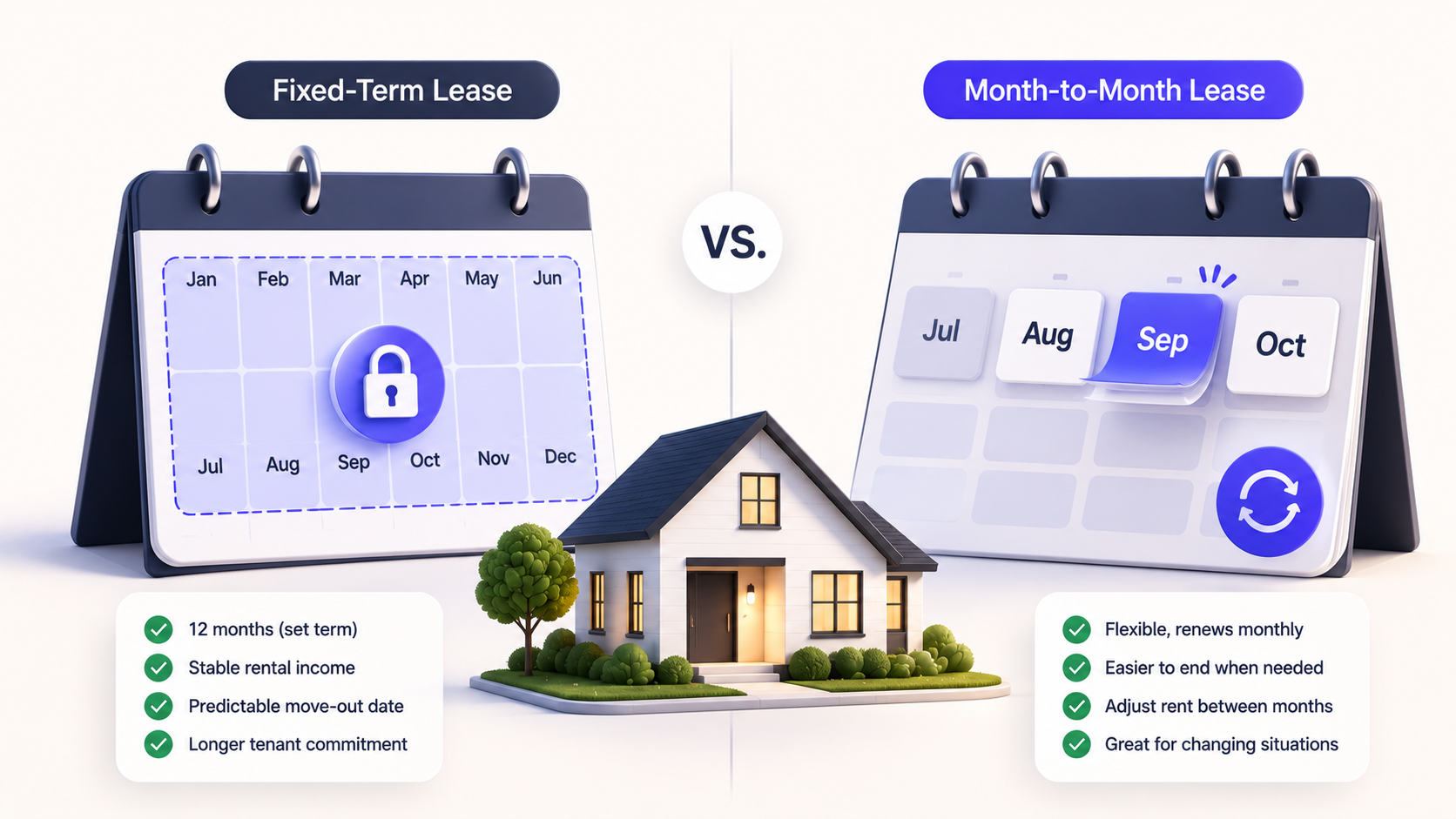
Term. Start and end dates for a fixed-term lease, or the notice period for month-to-month. Be explicit about what happens at the end — does it renew, convert to month-to-month, or terminate?
Rent. The amount, the due date, accepted payment methods, and where or how it's paid. Spell out the late-fee amount and grace period here too.
Security deposit. The amount, what it can be used for, and the timeline and process for returning it. This is one of the most regulated parts of a lease — align it with your state's rules.
Maintenance responsibilities. Who handles what. Typically the landlord covers major systems and habitability; the tenant covers cleanliness, minor upkeep, and reporting problems promptly.
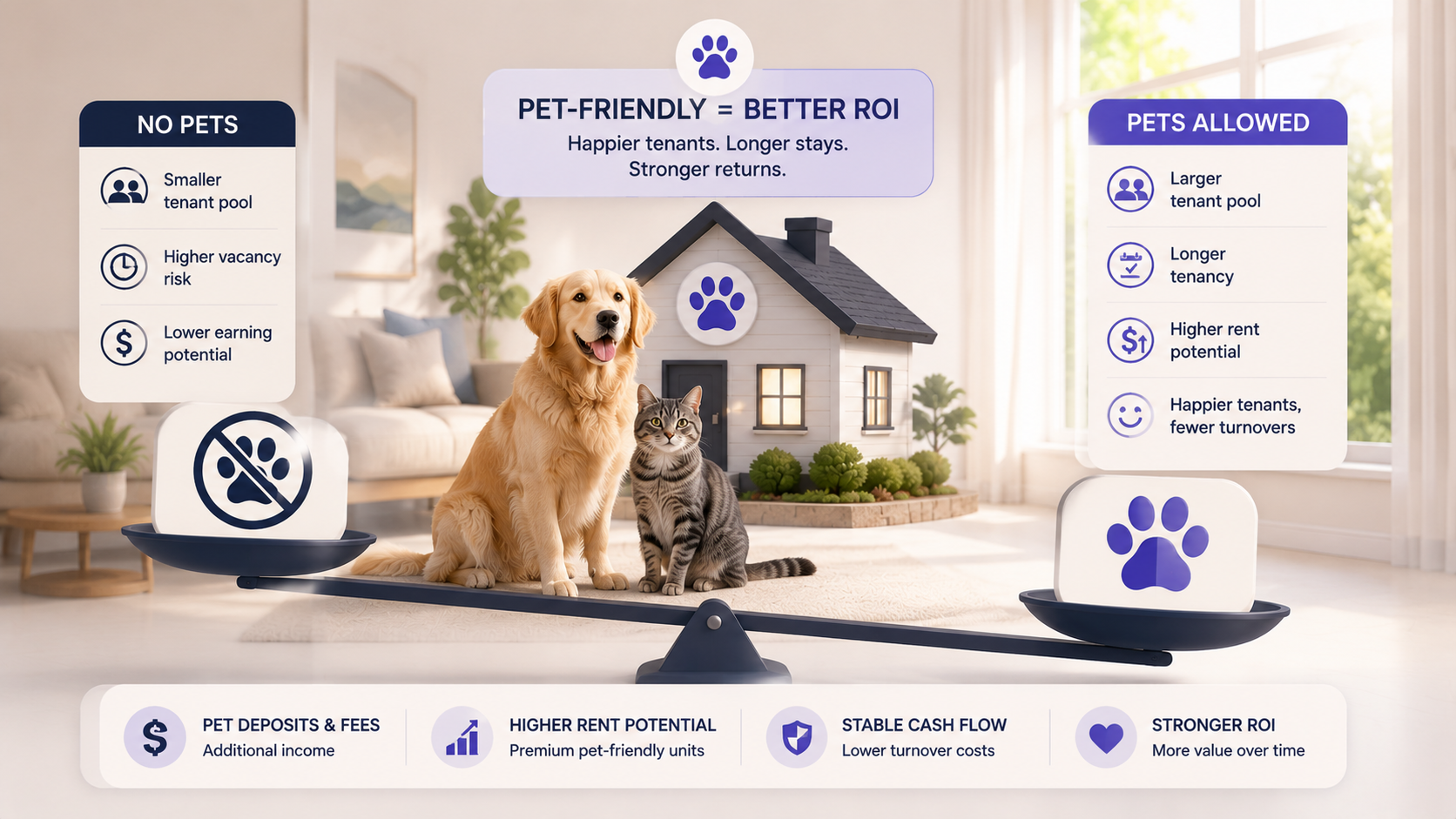
Rules and policies. Pets (and any pet deposit or rent), smoking, subletting, alterations, guest limits, and occupancy. If it matters to you, it belongs in writing.
Entry and access. Your right to enter for repairs or inspections, and the notice you'll give — commonly 24 hours except in emergencies.
Signatures. Every adult occupant signs, and each gets a copy.
The mistakes that quietly cause trouble
- Illegal or unenforceable clauses. A clause that waives a tenant's legal rights (like the right to a habitable home) isn't just unenforceable — it can taint the whole lease. Don't copy aggressive language from the internet.
- Vague maintenance language. "Tenant handles repairs" invites arguments. Specify categories and dollar thresholds.
- Silence on renewal. If your lease doesn't say what happens at expiration, your state's default rules decide for you — and you may not like the answer.
- Inconsistent addenda. Pet agreements, parking rules, and rider clauses should reference the main lease and be signed together, not floated as loose emails.
Start from a vetted template, then customize
Reputable, state-aware templates already include the required disclosures and correct structure for your jurisdiction. Starting from one and customizing the details — names, rent, term, policies — is far safer than writing your own from a blank page. The goal is a document that's tailored to your property but grounded in language that holds up.
Get it signed the right way
A lease is only useful once it's executed. E-signatures are legally binding in the U.S. under the ESIGN Act and state equivalents, and they beat paper on every axis: tenants can sign from their phone, you get a timestamped audit trail, and the signed copy is stored where you'll actually find it later. Chasing wet signatures across town is a solved problem.
Keep the lease connected to everything else
The lease shouldn't live in a folder on your desktop. It should be tied to the unit, the tenant, and the ledger — so rent, renewals, and expiration alerts all reference the same source of truth. When a renewal comes up or you need to serve a notice, everything you need is one click away.
The bottom line
Include the essential clauses, avoid the language that gets landlords in trouble, start from a state-aware template, and e-sign it. A clear lease turns future disputes into a quick look at the relevant paragraph — which is exactly what you want.
TenantPilot's lease form builder lets you draft a custom, compliant lease, e-sign it in minutes, and store it with the unit — plus a free library of notices, checklists, and addendums to go with it.